20 Backyard Privacy Ideas for a Serene Outdoor Escape
A quiet backyard feels like a gift, and these 20 backyard privacy ideas help you turn an overlooked yard into a calm retreat. Neighbors, passing cars, and upper windows can make outdoor time feel exposed, yet a few thoughtful layers of green, wood, and fabric change that feeling fast. This guide gathers 20 practical ideas, from tall hedges and bamboo screens to outdoor curtains, planters, and trellis vines, so every yard size and budget finds a fit. Each idea works on its own or layered with others, and most need only basic tools and a free weekend. Read through, pick the screens that suit your space, and start with the one that gives you the most peace first.
Tall Hedge Walls
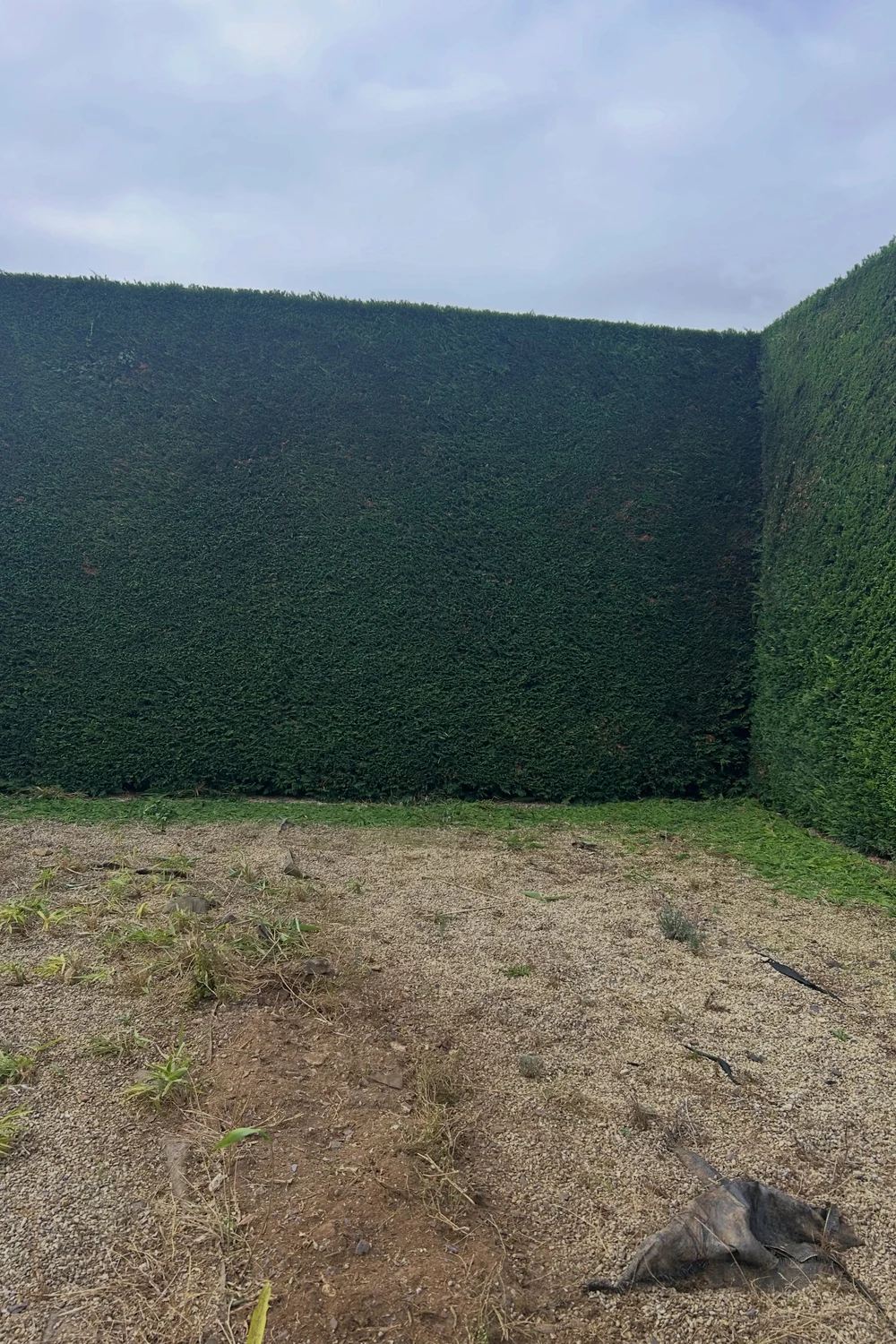
A dense hedge turns an open yard into a private garden room without a single board or brick. Arborvitae, privet, and laurel grow into thick green walls that soften noise and block sightlines from neighbors and upper windows and passing foot traffic.
Water deeply during the first year, mulch the base each spring, and trim lightly twice a season to keep the shape full from top to bottom. A hedge rewards patience with year round shelter, birdsong, and a soft green backdrop that makes every chair and planter look better.
Bamboo Screen Panels
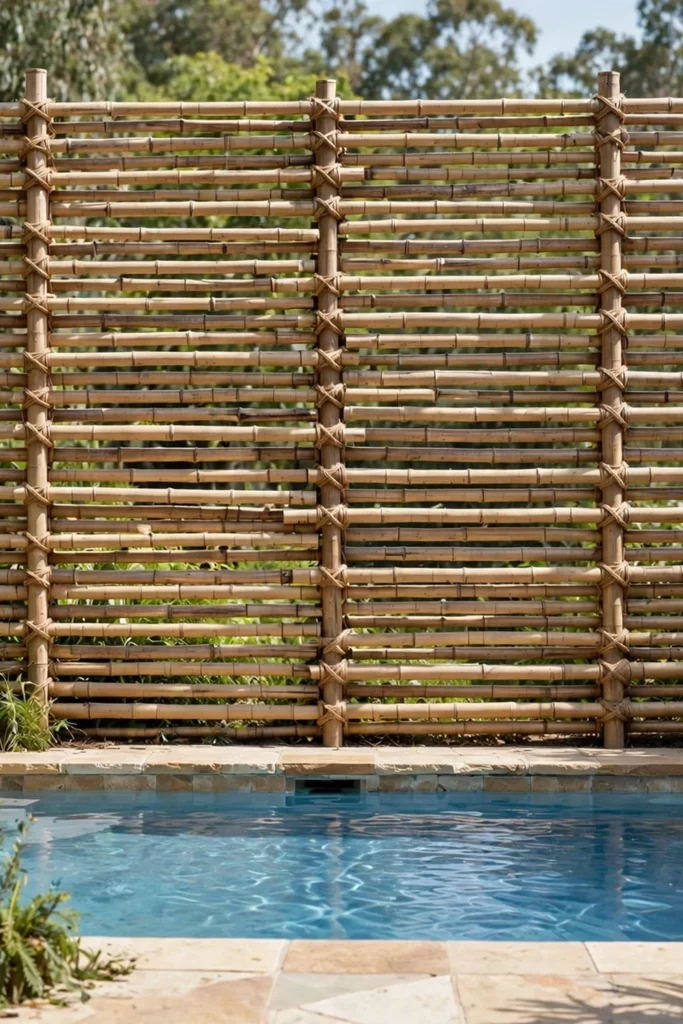
- Choose rolled bamboo fencing in a height that clears the sightline from your neighbor’s porch or upper windows.
- Attach panels to existing posts with zip ties or wire, keeping the bottom slightly above the soil to avoid rot.
- Layer two rolls with a small gap between them when one layer still lets light and shapes through.
- Seal the bamboo with exterior oil once a year so the color stays warm and the canes resist rain.
Bamboo screens suit renters and budgets because they go up in an afternoon and come down without damage. Pair them with potted plants to soften the edge, and the boundary reads as a garden feature rather than a fence. Check the ties each spring, replace any cane, and the screen stays neat for years.
Outdoor Curtain Drapes

Quick Tip: Hang outdoor curtains from a sturdy cable or rod mounted to posts or a pergola beam. Choose fade resistant fabric in a light color, and weight the hems with small chain so the panels hang straight in a breeze.
Curtains turn a patio into an outdoor room in minutes, softening hard edges and filtering low sun. Draw them closed for dinner, tie them back on breezy days, and wash the panels at the end of the season. The result feels soft, private, and easy to change with the seasons.
Lattice Fence Toppers

BEFORE: A low fence left the patio open to every passing walker and the neighbors’ second floor windows. Meals outside felt staged, and the family used the yard less as the summer wore on.
AFTER: Lattice panels added to the top of the fence lift the boundary by two feet and break up sightlines with a crisscross pattern. Climbing jasmine now threads through the openings, and the patio feels sheltered without feeling boxed in.
Lattice toppers work because they add height without the weight or cost of a full fence rebuild. Paint or stain them to match the fence, anchor them firmly to the posts, and train a light vine through the gaps for extra cover. The open pattern keeps breezes flowing while views fade away.
Pergola Shade Cloths

- Measure the pergola top and buy a shade cloth panel slightly larger than the frame.
- Hook the cloth to the beams with carabiners or cable ties, pulling it taut from corner to corner.
- Add a second layer of outdoor curtains on one side when the low sun still slips through.
- Take the cloth down before winter storms to keep the fabric and frame in good shape.
A shade cloth cools the seating area and screens the view from above, which matters when nearby homes look down into your yard. Choose a breathable weave so heat escapes, and pick a neutral tone that blends with the roofline. The pergola stays airy, yet the space below feels like a room of its own.
Potted Tree Lines
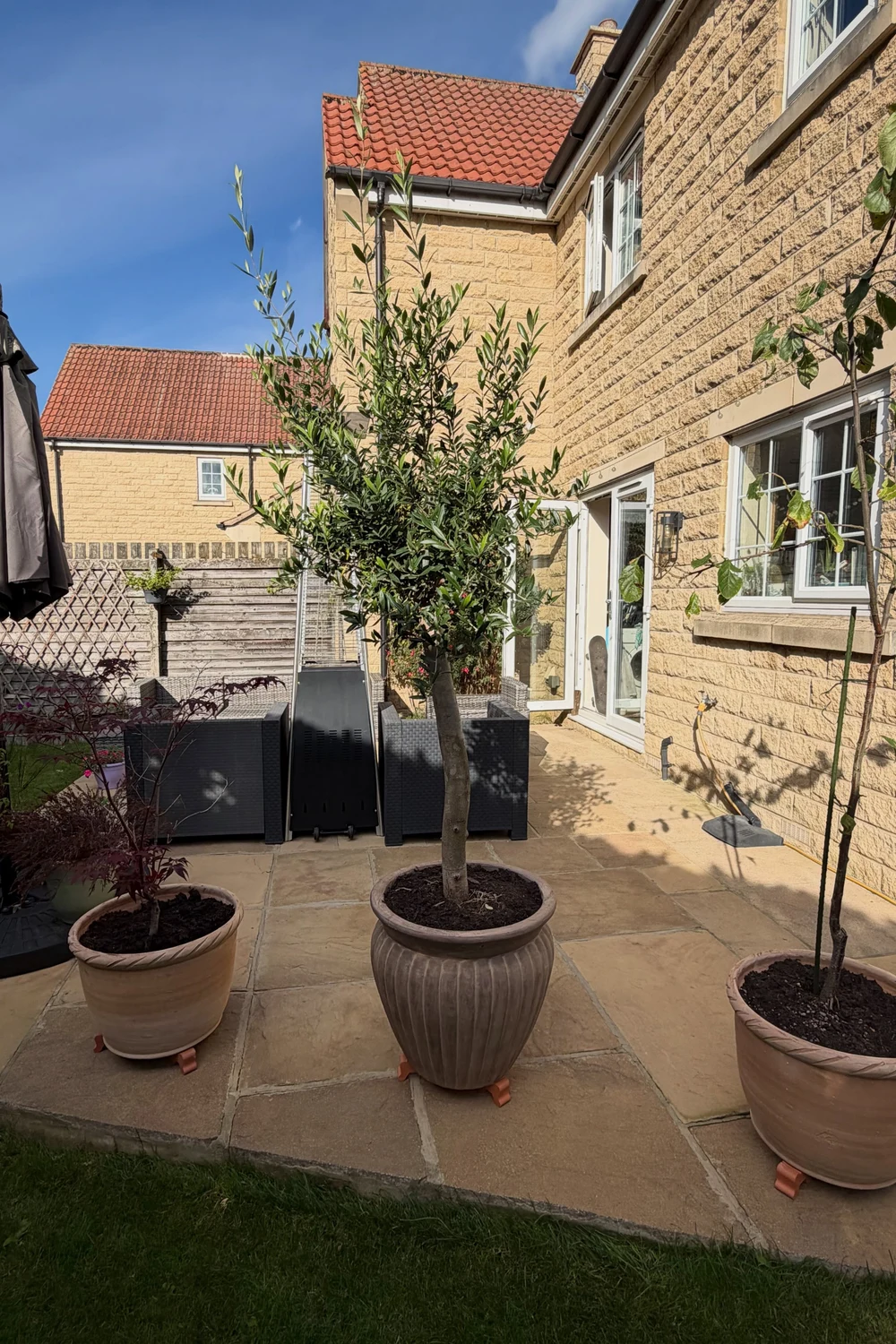
| Feature | Olive Trees | Arborvitae Pots |
|---|---|---|
| Privacy | Filtered, dappled shade | Dense, year round cover |
| Cost | Higher per tree | Moderate per pot |
| Upkeep | Prune once a year | Water often in summer |
Potted trees let you build a movable green wall, which suits renters and anyone still shaping the yard. Set large pots along the boundary, stagger heights for a natural look, and roll them aside when the layout changes. Feed and water on a schedule, and the trees reward you with shade, scent, and steady privacy.
Gabion Stone Walls
DO:
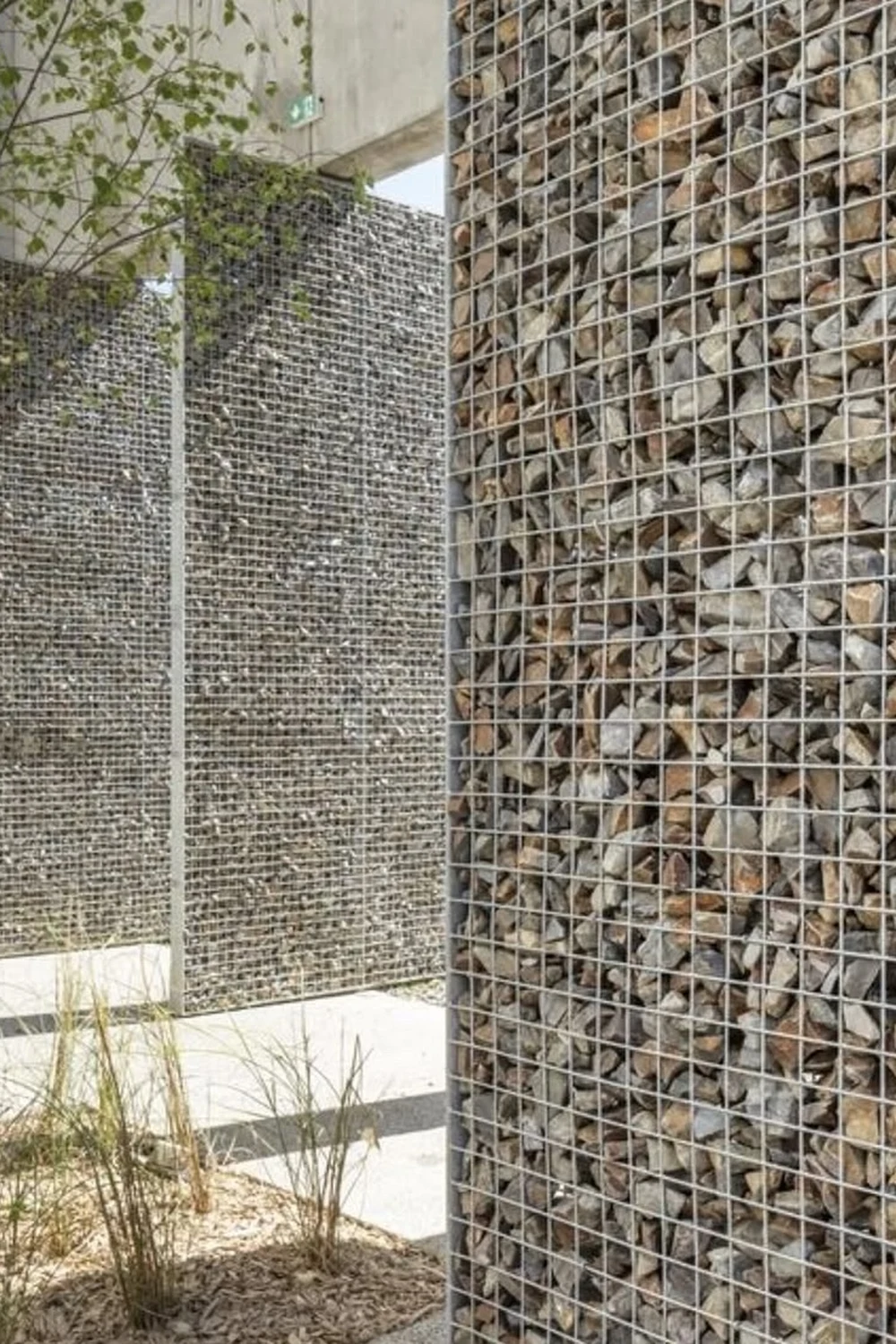
- Fill the cages with local stone in mixed sizes so the wall looks natural and drains well.
- Set the cages on a level gravel footing to keep them stable over time.
- Plant trailing herbs along the top edge to soften the hard stone face.
DON’T:
- Do not build higher than local rules allow without checking permits first.
- Do not use round river rock alone, since it shifts and leaves gaps.
- Do not skip the landscape fabric behind the wall, or soil will wash through the stones.
Gabion walls bring a rugged, modern feel to the boundary while blocking views and muffling street sound. The stone mass stays put through storms, and the cages need almost no care once filled. Pair the wall with grasses or shrubs at its base, and the hard edge melts into the garden.
Trellis Vine Screens
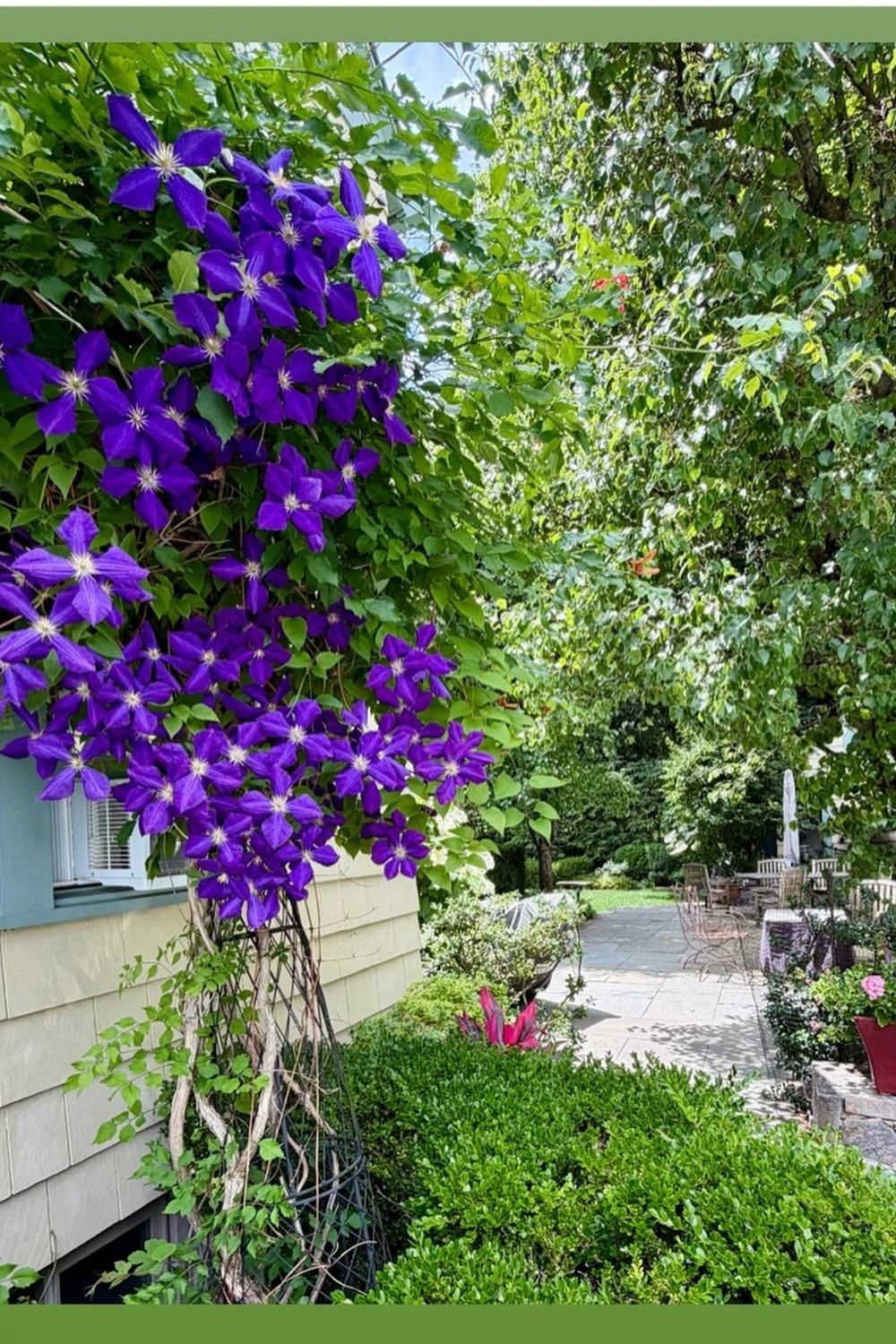
Cost: Around 40 to 120 dollars per panel with plants. Time: One weekend to build and plant. Skill Level: Beginner friendly with basic tools. Best For: Fences, patios, and narrow side yards.
A trellis covered in vines gives privacy that grows fuller every year. Clematis, jasmine, and grape vines weave through the slats, scenting the air and hiding the structure beneath. Water the roots well, guide new shoots with soft ties, and prune lightly each winter to keep the screen dense.
Planter Box Fences
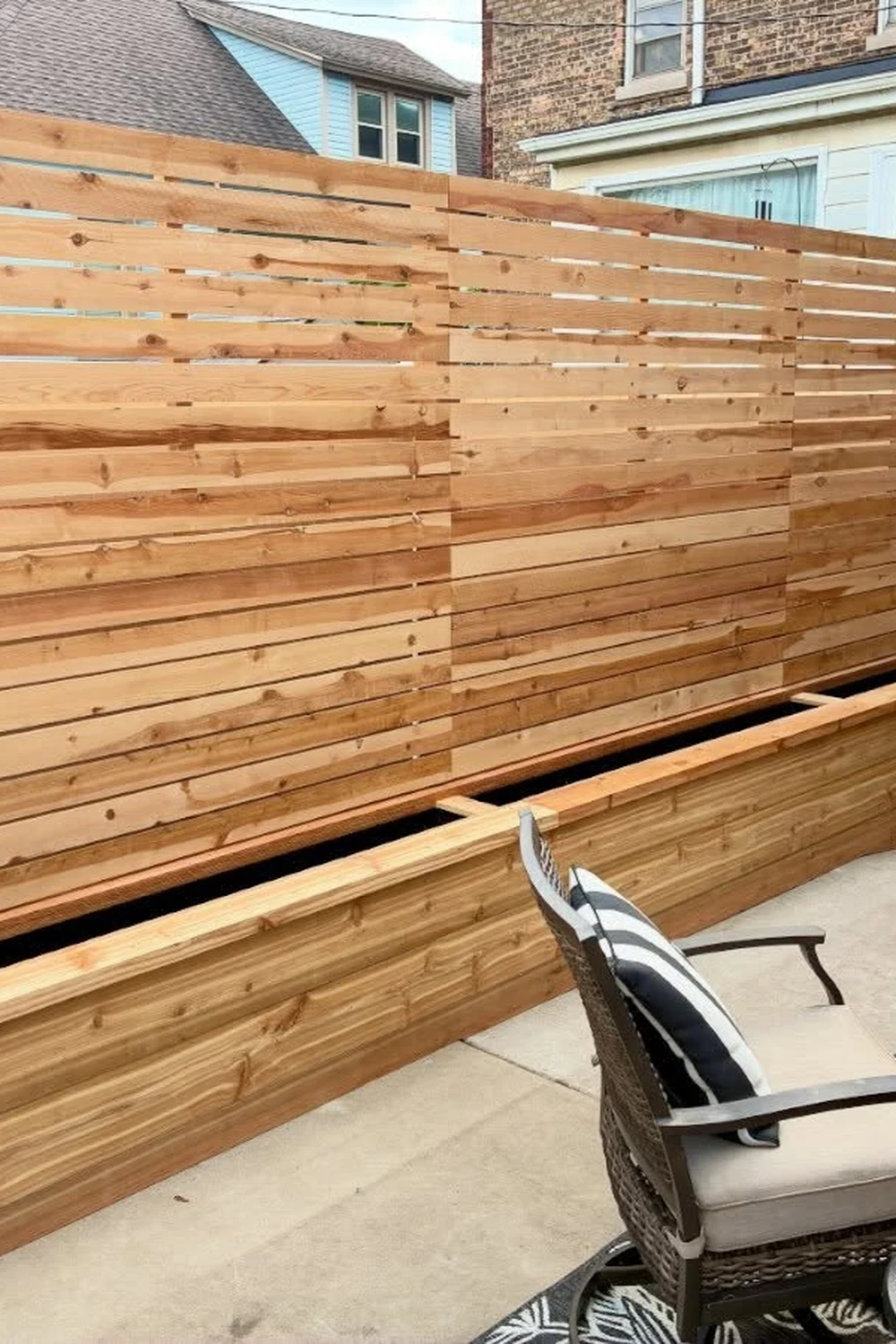
A row of tall planter boxes topped with shrubs forms a living fence that moves with your plans. Build or buy sturdy boxes, line them for drainage, and plant dense shrubs or small trees that hold their shape. Set them along the patio edge where the view needs blocking most.
Wheels or handles help when the layout changes, and a drip line keeps watering simple through hot weeks. Mix heights and leaf textures so the row reads as a garden bed rather than a barrier. The result is privacy that smells green and looks good from both sides.
Shade Sail Canopies

- Pick a triangle or rectangle sail sized to cover the seating area with a little overhang on each side.
- Anchor each corner to a post, wall bracket, or tree with tension hardware, keeping the fabric angled for rain runoff.
- Layer two sails at different heights when one sail still leaves a gap toward the neighbor’s windows.
- Choose a UV rated fabric in a sand or charcoal tone that suits the house trim.
Shade sails block the view from above while cooling the patio below, which makes them ideal for yards overlooked by two story homes. The fabric goes up in an afternoon, comes down for storms, and costs far less than a roof. Pull the corners taut, check the anchors each season, and the canopy stays crisp.
Cedar Slat Screens
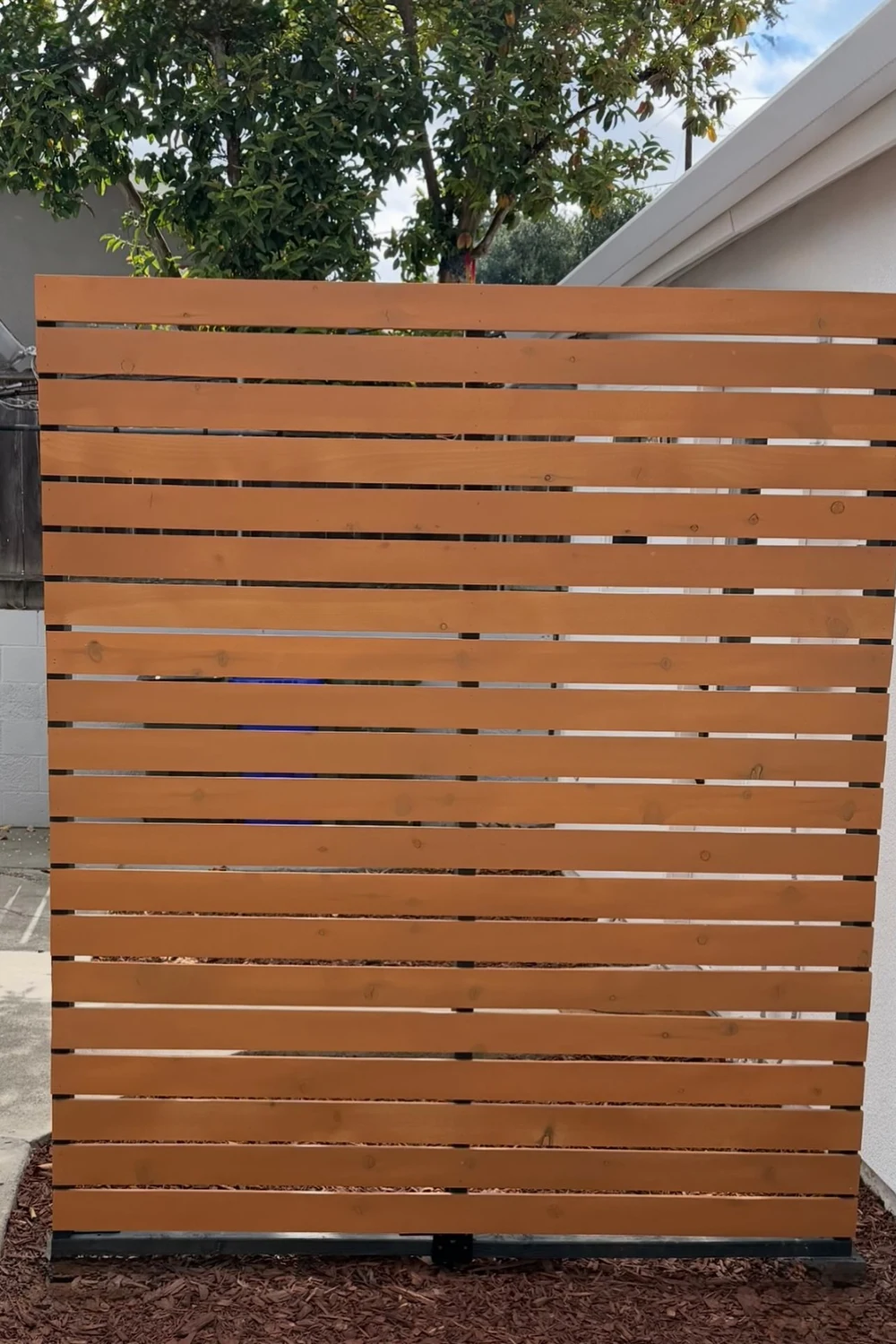
Quick Tip: Space cedar slats with a finger width gap so air moves through while direct views stay blocked. Seal the boards with exterior oil before assembly, since every face needs protection from rain.
Cedar slat screens add warm, modern lines to the yard and age into a soft silver gray when left natural. Mount them as freestanding panels or along an existing fence, and back them with shrubs for a layered look. The slats give strong cover at eye level while keeping the garden bright and breezy.
Evergreen Shrub Borders

BEFORE: The back fence stood bare through winter, and every window in the house looked straight into the neighbor’s yard. The garden felt open in the worst way, with no place to sit unseen.
AFTER: A border of yew, boxwood, and holly now runs the length of the fence, thick and green in every season. Birds nest in the branches, and the seating area finally feels like a room with walls.
Evergreen borders are the classic privacy fix because they never thin out in winter. Space the shrubs for their mature width, mulch deeply, and water well in the first two years. Shape them once a year, and the border grows denser, quieter, and more beautiful with time.
Reed Fence Rolls

- Unroll the reed fencing along the existing fence and trim it to length with garden shears.
- Fasten the roll at the top, middle, and bottom with wire or zip ties every two feet.
- Overlap the ends by a few inches so no gap opens between rolls.
- Spray the reeds with a clear sealer to slow fading and keep them from drying out.
Reed rolls are the fastest way to dress a chain link or wire fence, turning a see through boundary into a warm natural screen in an afternoon. The reeds filter wind and soften the fence line, though they last longer in sheltered spots. Replace worn sections each year, and the fence keeps its woven look.
Living Willow Fences

| Feature | Woven Willow | Willow Hedge |
|---|---|---|
| Look | Rustic woven pattern | Soft leafy hedge |
| Growth speed | Instant cover | Fills in one season |
| Upkeep | Weave new shoots yearly | Trim twice a year |
Willow fences blend craft and garden, since the living rods root and leaf out into a green wall. Push fresh rods into moist soil in early spring, weave them between uprights, and water until they take hold. The fence grows more private each month, and winter pruning keeps it tidy and strong.
Decorative Metal Panels
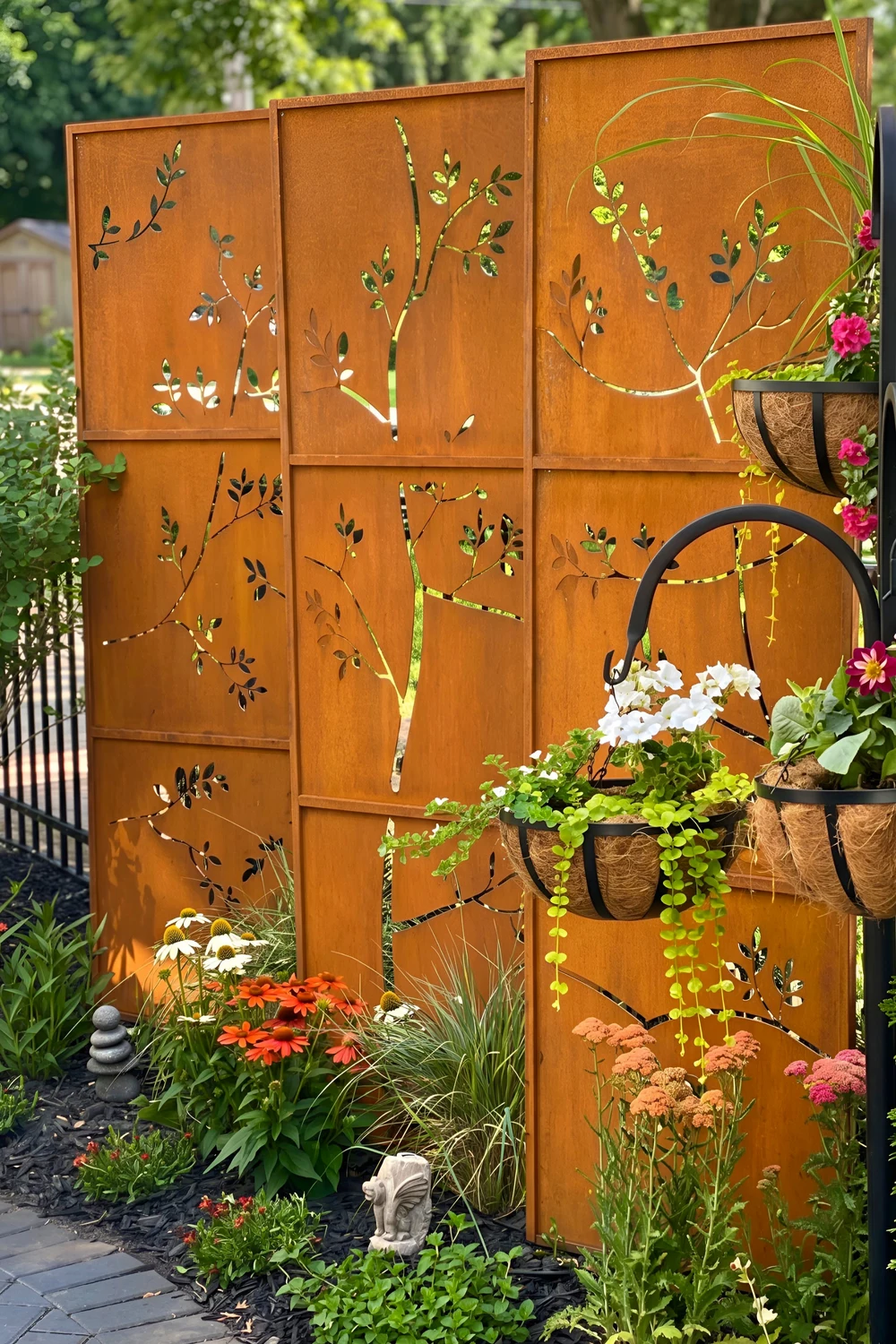
DO:
- Choose laser cut patterns that block sightlines while letting light and air pass through.
- Mount panels on sturdy posts set in concrete so wind cannot rock them loose.
- Pair dark panels with light gravel and grasses for a crisp modern contrast.
DON’T:
- Do not hang panels from a weak fence that cannot carry their weight.
- Do not pick a pattern with large open shapes when full cover matters.
- Do not skip a rust resistant finish on steel panels in wet climates.
Metal panels bring art to the boundary, turning a plain fence into a patterned screen that casts lovely shadows. They need no watering, no pruning, and no waiting for plants to fill in. Choose a pattern you love at full scale, and the panel becomes a feature rather than just a fence.
Retractable Side Awnings
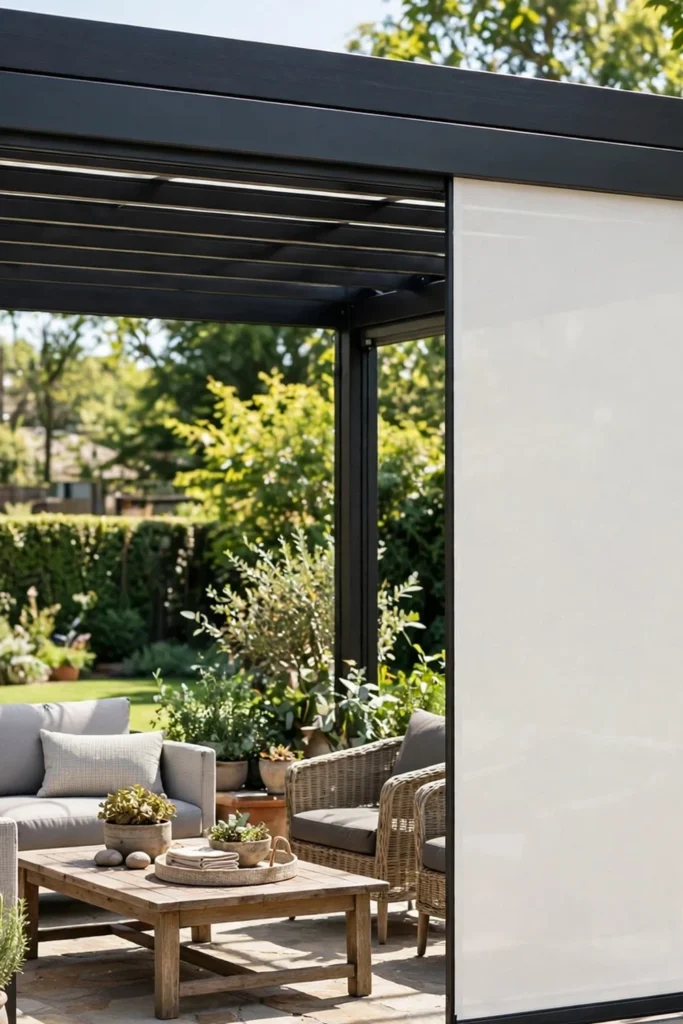
Cost: Around 80 to 250 dollars per awning. Time: About two hours to install each one. Skill Level: Intermediate, since wall mounting needs solid anchors. Best For: Patios, decks, and small balconies.
A retractable side awning pulls out when you need cover and slides away when you want the open view. Mount it to a wall or post beside the seating area, extend it for dinner, and retract it before storms. The fabric blocks wind and sideways glances, giving a patio the feel of a sheltered room.
Raised Bed Borders

Raised beds along the boundary lift plants to eye level, where they block views far better than ground level beds. Build sturdy timber or stone beds, fill them with soil, and plant a mix of tall herbs, flowers, and small shrubs. The beds mark the edge of the yard with color and scent.
Keep the beds watered and mulched, and the planting grows thick through the season. A path beside the beds makes tending easy, and the harvest gives a bonus beyond privacy. The border feels like a garden first and a screen second, which suits yards that prize beauty.
Outdoor Room Dividers
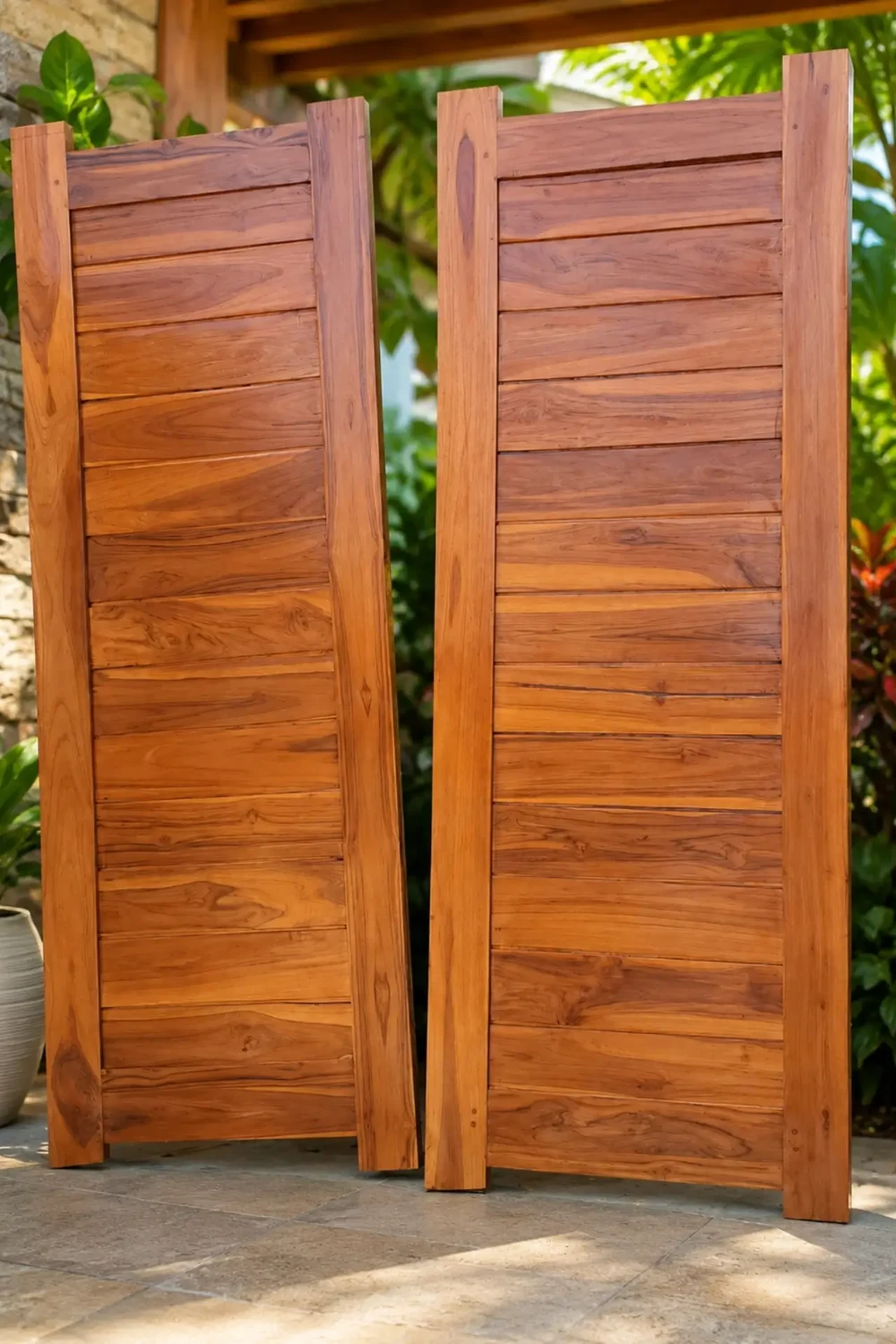
- Set freestanding divider panels around the seating area to carve a cozy corner from a large yard.
- Choose weatherproof panels in wood, metal, or woven resin that stand up to rain and sun.
- Anchor the feet with planters or sandbags so a gust cannot topple the screen.
- Move the panels with the sun through the day to keep shade and cover where you sit.
Room dividers suit renters because they need no digging, no permits, and no permanent change to the yard. Fold them flat for storage in winter, bring them out for gatherings, and the patio gains a sense of enclosure in minutes. Style them with lanterns and cushions, and the corner feels intentional and inviting.
Climbing Rose Walls

Quick Tip: Train rose canes sideways along wires or a trellis, since horizontal canes sprout more flowering shoots. Wear gloves, tie canes loosely with soft twine, and prune out dead wood each winter.
Roses turn a plain wall or fence into a fragrant privacy screen that blooms through the warm months. The thorny canes discourage climbing, the flowers draw bees and compliments, and the foliage thickens year by year. Feed in spring, water at the roots, and the wall becomes the prettiest boundary in the street.
Tall Grass Borders
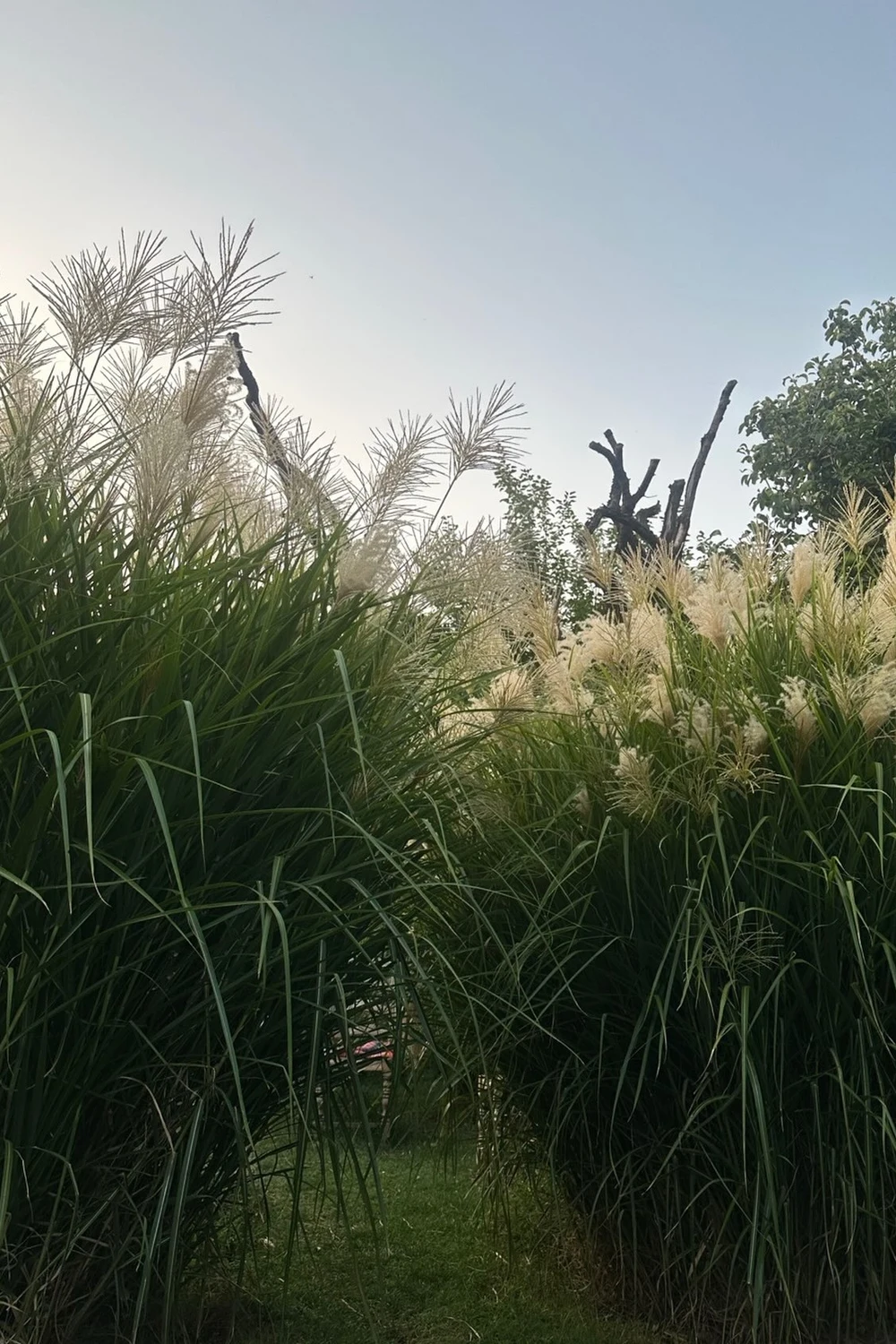
BEFORE: The patio sat in full view of the street, and evening meals felt public despite the low hedge. Guests kept their voices down, and the space never quite relaxed.
AFTER: Clumps of miscanthus and feather reed grass now sway along the edge, rising above head height by late summer. The patio feels hidden behind a soft golden curtain that moves with the breeze.
Ornamental grasses give fast, graceful privacy from spring through winter, since many varieties hold their shape even after frost. Plant clumps a few feet apart, cut them back in early spring, and watch them return taller each year. The rustling stems add sound cover too, masking street noise with a gentle hush.
Conclusion
These 20 ideas prove that a private backyard does not need a tall wall or big budget. From hedges and bamboo to curtains, planters, and climbing vines, every option adds calm that lets you relax, gather, and enjoy the outdoors without feeling watched. Pick two favorites, try them this weekend, and notice how the yard feels more like your own. Save this guide on Pinterest so you can return to it whenever you need inspiration, and share it with a friend dreaming of a quieter yard too. A peaceful outdoor escape is closer than you think, and these 20 backyard privacy ideas are a lovely place to begin.