How to Keep a Bathroom Dry Without a Window Easily
Why Windowless Bathrooms Stay Damp
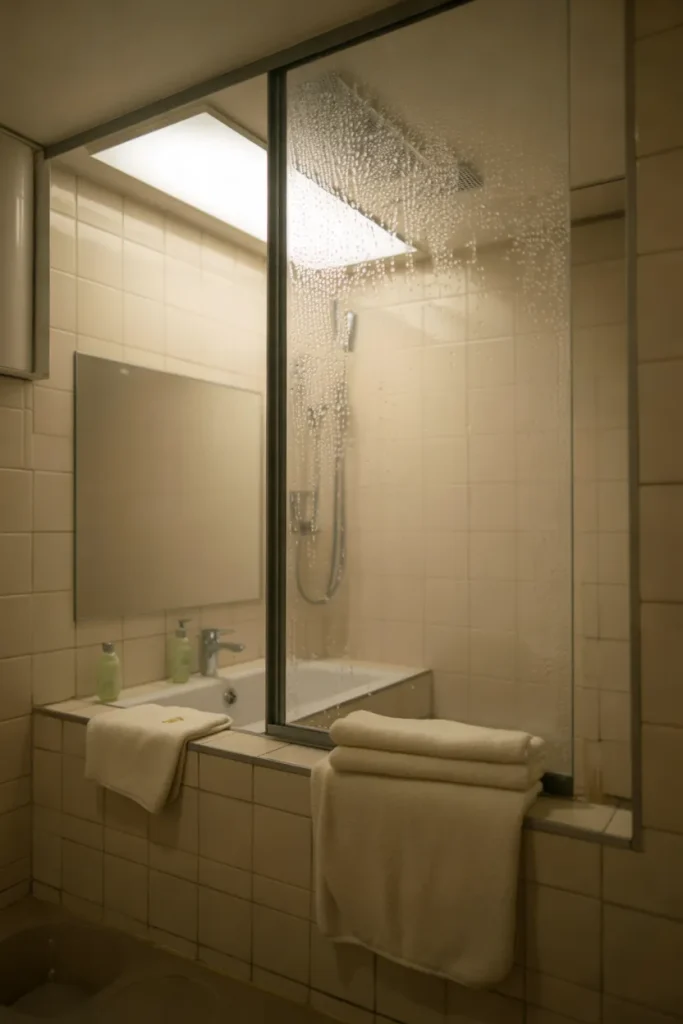
A windowless bathroom can stay damp because steam has nowhere easy to escape. Every hot shower releases moisture into the air, which settles on mirrors, tiles, ceilings, and other cool surfaces. Without enough ventilation, this moisture builds up and makes the room feel stuffy. Over time, persistent dampness can lead to peeling paint, musty odors, and mold growth around grout lines or ceiling corners.?
The good news is that you do not need a window to create a drier bathroom. The key is to remove humid air, dry wet surfaces, and prevent moisture from lingering. Once you understand where the dampness comes from, you can choose practical solutions that fit your bathroom size, budget, and daily routine.
Improve Air Circulation

Better airflow helps moisture escape instead of allowing humid air to remain trapped inside your bathroom. Even without a window, you can improve circulation by making small changes to how you use the door and keep the room arranged. Good airflow works especially well alongside an exhaust fan or dehumidifier.
- Open the bathroom door after showering. Allow air from the adjoining room to enter, provided the surrounding area is dry and well ventilated.
- Check the gap beneath the door. A suitable gap can help replacement air enter while an exhaust fan removes humid air. Ask a professional before altering the door, especially if building or fire-safety requirements apply.
- Keep air pathways clear. Move laundry baskets, storage boxes, and other items away from doorways or ventilation openings.
- Avoid trapping damp air. If the bathroom connects to a humid or poorly ventilated room, opening the door alone may not solve the problem. Improve ventilation in the surrounding space too.
Install or Use an Exhaust Fan
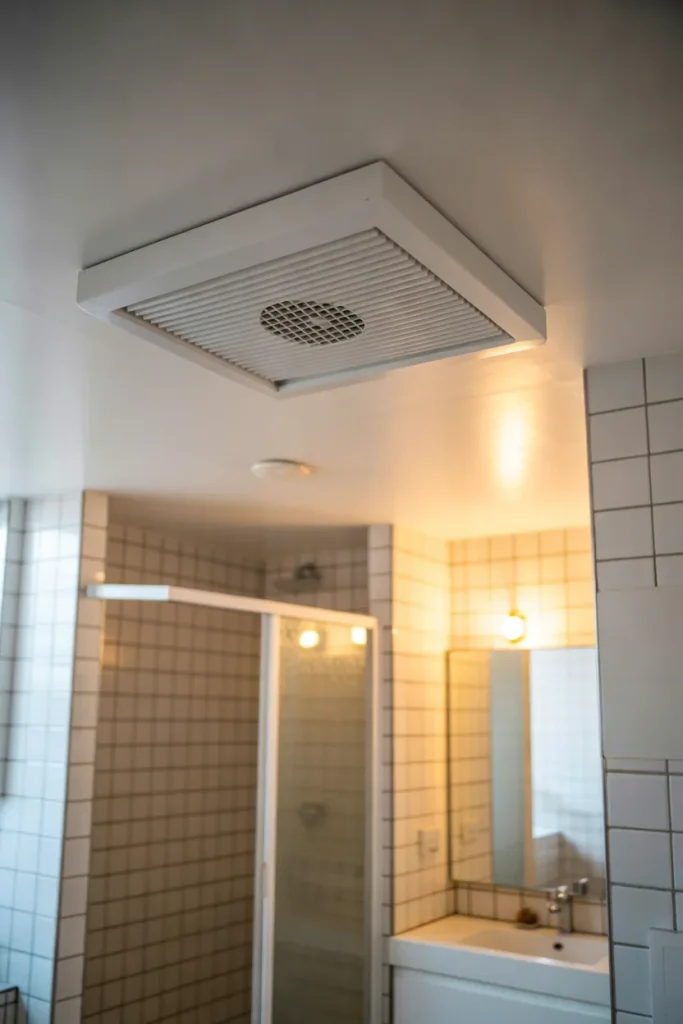
Quick Tip: An exhaust fan that vents outdoors is one of the most effective ways to remove shower humidity. Choose a fan sized for your bathroom, and run it during bathing and for at least 20 minutes afterward, or longer if condensation remains.
If your bathroom already has a fan, check whether it actually removes air rather than simply making noise. Clean the grille according to the manufacturer’s instructions and make sure the outdoor vent is not blocked. A fan that exhausts into an attic or ceiling cavity can move moisture into another part of your home instead of removing it safely.
For a bathroom without an existing fan, ask a qualified electrician or ventilation professional about installation, airflow capacity, and a suitable exhaust route. If the mirror stays foggy or the walls remain damp long after showering, the fan may be undersized, poorly installed, or unable to provide enough replacement air. Fixing the ventilation system can help prevent recurring moisture problems.
Use a Bathroom Dehumidifier

Common Mistake: Buying a dehumidifier that is too small for the moisture level or placing it where shower water can splash onto it can limit its usefulness. Some people also expect it to replace proper ventilation, even though it does not remove humid air from the building.
The Fix: Choose a model suitable for your bathroom’s size and humidity, and follow its instructions for placement and safe operation. Keep electrical equipment away from water, and use an exhaust fan whenever possible to remove moisture at its source.
A dehumidifier can help control lingering humidity, especially in bathrooms that remain damp after bathing. For a very small room, a compact electric model may be suitable, while larger or persistently humid spaces may need a more powerful unit. Empty the collection tank regularly, clean the filter as directed, and use a humidity meter to monitor conditions. Aim for indoor relative humidity around 30% to 50% where practical, and investigate persistent condensation rather than relying on the appliance alone.
Reduce Steam While Showering

What You Need:
- A shower timer: Helps you keep showers shorter and reduce the amount of steam released into the room.
- A temperature control: Allows you to choose comfortably warm water instead of excessively hot water.
- An exhaust fan: Removes humid air while you shower.
- A shower screen or curtain: Helps contain splashes and keeps water from spreading across the bathroom.
- A squeegee: Makes it easier to remove water from glass and tiled walls afterward.
Reducing steam at its source makes moisture control easier throughout the day. You do not need to take cold showers or sacrifice comfort. Try lowering the temperature slightly, shortening long showers when possible, and switching on the exhaust fan before you begin. Keep the shower enclosure closed enough to contain splashes, but never block ventilation openings. These small habits reduce the amount of moisture your bathroom needs to handle.
Dry Wet Surfaces After Use
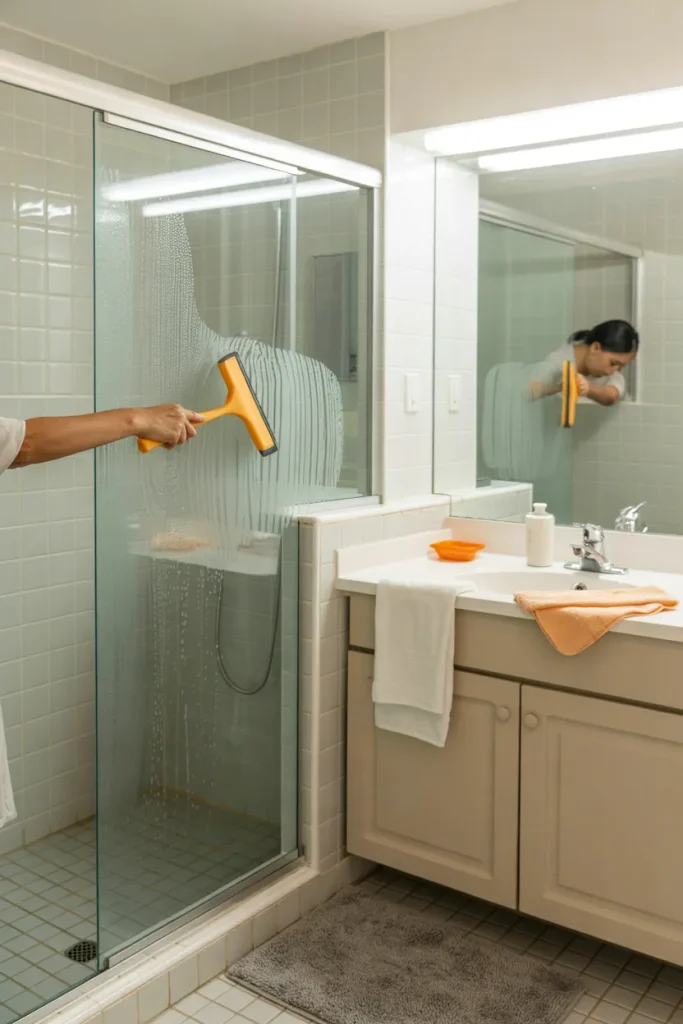
Before: Water remains on shower walls, mirrors, the vanity, and the floor long after bathing. Puddles collect near corners, and damp surfaces keep releasing moisture into the air. Over time, neglected areas can develop stains, unpleasant odors, or mold.
After: Glass panels are free of excess water, counters are wiped dry, and the floor has no standing puddles. Removing leftover water helps surfaces dry faster and reduces the moisture available for mold growth.
Make surface drying part of your post-shower routine. Use a squeegee on glass and tiled shower walls, wipe the mirror and countertop with a microfiber cloth, and remove standing water with a suitable mop or towel. Pay attention to corners and grout lines where water can collect. Avoid leaving slippery wet floors, and keep cleaning cloths spread out to dry. Once the visible water is gone, allow ventilation to finish the job.
Keep Towels and Bath Mats Dry
Do This:
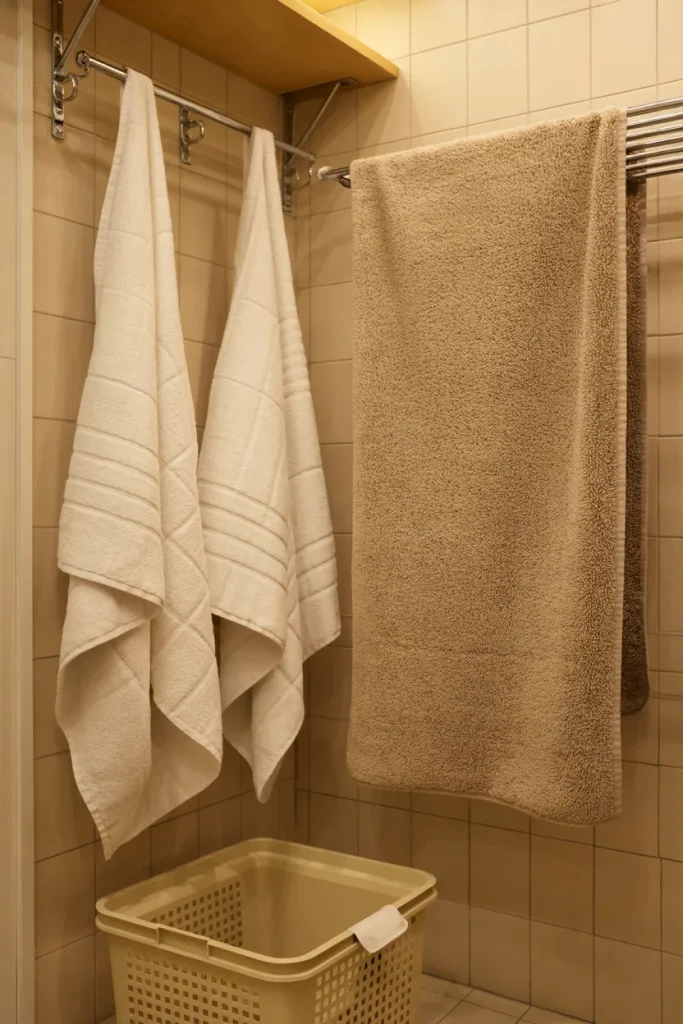
- Hang towels fully open on a towel bar instead of leaving them folded or piled together.
- Spread bath mats over a drying rack after use so both sides can dry.
- Replace damp towels regularly and wash bath mats according to their care labels.
- Store completely dry towels in breathable storage away from shower splashes.
Avoid This:
- Leaving wet towels bunched up on hooks or behind the bathroom door.
- Keeping damp bath mats flat on the floor for hours.
- Placing wet laundry in closed hampers without adequate airflow.
- Storing fresh towels in a cupboard that smells musty or feels damp.
Wet fabrics hold moisture long after the shower ends, so drying them properly is an important part of your bathroom routine. In my experience, giving towels enough space to dry is an easy habit to overlook. If your bathroom has limited space, use a rack just outside the room in a dry, ventilated area.
Choose Moisture-Resistant Materials

Time Needed: 20 to 30 minutes to assess existing materials.
Difficulty: Easy for inspection, with professional help needed for renovations.
Cost: Low for small accessory changes, higher for new finishes.
Tools Required: Cleaning cloth, flashlight, and a simple inspection checklist.
Choose materials that tolerate regular moisture and are easy to clean. Porcelain or ceramic tiles, properly sealed grout, suitable bathroom paint, and moisture-resistant cabinetry can help reduce maintenance problems. Look for finishes specifically rated for bathroom use rather than assuming any waterproof-looking product will work. Repair damaged caulk and peeling paint promptly, and use shelves or cabinets that allow damp items to dry instead of trapping moisture behind closed doors.
Prevent Mold and Musty Smells
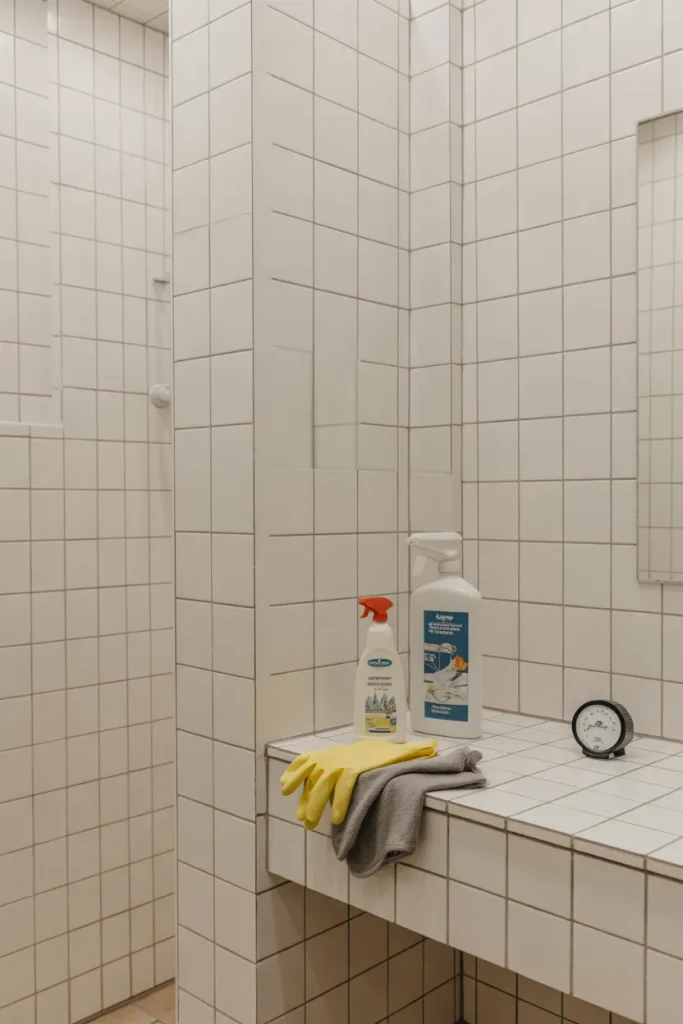
Mold prevention starts with finding out why moisture keeps returning. A musty smell, dark spots around grout, peeling paint, or recurring condensation can signal a ventilation problem or hidden leak.
Common Mistake: Covering mold stains with fresh paint or spraying fragrance to hide a musty smell does not solve the underlying moisture problem. Mold can return if the dampness remains.
The Fix: Address leaks, improve ventilation, and dry affected surfaces. For small areas of surface mold, follow the relevant cleaning product’s label, wear suitable protective equipment, and ventilate the room. Never mix bleach with ammonia or other cleaning products. Porous materials with extensive mold growth may need professional assessment or replacement.
If mold covers a large area, keeps returning, or appears alongside water damage, contact a qualified mold remediation or building professional. People with asthma, significant allergies, or weakened immune systems should avoid handling mold themselves. Resolving the source of moisture is essential for keeping the bathroom cleaner and healthier over time.
Follow a Simple Daily Drying Routine

Quick Facts:
- Time Needed: 5 to 10 minutes after showering.
- Difficulty: Easy for beginners.
- Tools Required: Squeegee, microfiber cloth, and towel rack.
- Pro Tip: Keep a small cleaning kit within easy reach to make daily drying easier.
The best way to maintain a dry bathroom is to follow the same simple steps every day. Switch on the exhaust fan before showering, leave it running afterward, wipe away visible water, and hang damp towels where air can circulate. Check for lingering condensation and musty smells regularly. If the bathroom remains damp despite these habits, investigate the ventilation system or possible leaks rather than simply adding more cleaning tasks.